

Businesses must embrace strategies that not only enhance their operations but also have a positive impact on the environment. One significant way companies can make a difference is by implementing measures to reduce water consumption and costs.
This not only aids in conserving a vital resource but also results in substantial financial savings. In this comprehensive guide, we’ll explore several practical measures that businesses can adopt to effectively manage and reduce their water usage.
Understanding Water Usage in Businesses
Before a business can effectively reduce water consumption and costs, it’s crucial to understand where and how water is used within its operations. Water usage in businesses typically occurs in the following areas:
Sanitary Services
Water used in sanitary services includes everything from toilets and urinals to sinks and showers in business facilities. This category also extends to kitchens and other areas that require water for cleaning and sanitation purposes.
Businesses can install low-flow fixtures to reduce water consumption and costs in these areas. Additionally, employing waterless urinals and sensor-activated taps can further decrease water use in business environments.
Landscaping
Landscaping is another significant contributor to a business’s water usage, particularly for organizations with large campuses or green spaces. Traditional landscaping requires substantial amounts of water for irrigation, but this can be drastically reduced by opting for drought-resistant plant species, which employ smart irrigation technologies that adjust watering based on weather conditions and redesigning landscapes to reduce grassy areas and increase drought-tolerant foliage.
Cooling Systems
In many manufacturing and industrial settings, cooling systems are critical for maintaining equipment and processes at safe operating temperatures. These systems often utilize vast amounts of water, particularly in methods like once-through cooling, where water is used a single time and then discharged, or in recirculating systems, where water is cooled and reused.
Improving the efficiency of these systems, such as by upgrading to more water-efficient cooling towers or implementing alternative cooling methods like air cooling, can significantly reduce water consumption and costs.
Process Water
In many industries, water plays a crucial role as part of the production process itself. This includes sectors like textiles, pharmaceuticals, and food processing where water is used for cleaning, processing, and as an ingredient.
Reducing water usage in these processes can involve recycling and reusing water, optimizing production processes to use less water, and treating wastewater onsite for reuse. Implementing these measures requires initial investment but often leads to significant long-term savings and sustainability benefits.
Effective Strategies to Reduce Water Consumption and Costs
To effectively reduce water consumption and costs, businesses must adopt a comprehensive approach that encompasses technology, process management, and cultural change. Below are several strategic measures that companies can implement to manage their water usage more efficiently and achieve significant cost savings.
1. Adopt Advanced Water Metering and Monitoring Systems
Implementing advanced metering infrastructure (AMI) allows businesses to monitor water usage in real time. These systems provide detailed data that can be analyzed to identify patterns of excessive use, detect leaks early, and understand how different parts of your business consume water. This level of insight is crucial for targeting interventions to reduce water consumption and costs.
Further enhancing these capabilities, AMI systems can be integrated with other building management systems that allow for a comprehensive approach to resource management. This integration enables automated adjustments based on real-time data, such as reducing water flow during times of low usage or adjusting temperatures in cooling systems to minimize water use without compromising performance.
2. Retrofit and Upgrade Equipment
One of the most impactful ways to reduce water consumption and costs is by retrofitting existing equipment with water-saving devices or upgrading to newer, more efficient technology. For industrial users, this might mean installing recirculating systems in cooling towers, which can drastically reduce water use. For commercial facilities, upgrading to ENERGY STAR-certified dishwashers and washing machines can decrease water requirements by using more efficient water management technologies.
Beyond these measures, businesses can also look into upgrading their plumbing systems to include advanced sensors that monitor water pressure and flow. This technology can help identify inefficiencies or leaks that are not visible but contribute to high water usage. In manufacturing settings, replacing single-pass cooling systems with recirculating options can conserve a significant amount of water, reducing operational costs and environmental impact.
3. Water Bill Audit and Analysis
Conducting a thorough analysis of water bills can uncover billing errors and provide insights into usage trends that could be costing your business more than necessary. A professional water bill audit by a company like Applied Utility Auditors can help identify these issues and recommend corrective actions. Such audits are essential for ensuring that water charges are accurate and that the business is not paying for water it is not actually using, thereby optimizing overall operational costs.
In addition to identifying billing discrepancies, a water bill audit can also highlight areas where water usage is higher than expected, which may indicate underlying issues such as undetected leaks or inefficient water use practices. By dissecting each component of your water bill, a utility auditor company can help you understand your water consumption patterns and implement more targeted water-saving strategies. This process often involves comparing your water use with industry benchmarks to determine if there are opportunities for improvement.
4. Optimize Water Treatment Processes
Many businesses require water treatment for their operations, whether it’s for making water suitable for use in processes or treating wastewater before it is discharged. Optimizing these treatment processes, such as by adopting more efficient filtration technologies or improving chemical management practices, can reduce water consumption and costs.
Further enhancements can be achieved by integrating state-of-the-art technologies such as membrane bioreactors (MBRs) or advanced oxidation processes. These systems are highly effective at eliminating contaminants from wastewater, which not only meets stricter environmental standards but also allows for the possibility of reusing treated water in other processes. Reusing water can dramatically cut down on the overall water intake and significantly reduce the costs associated with water procurement and disposal.
5. Implement Water-Saving Policies and Practices
Implementing water-saving policies within your business is crucial to reduce water consumption and costs. This could include simple practices such as requiring the use of shut-off nozzles on hoses, fixing leaks promptly, and recycling process water whenever possible. Educating employees about the significance of water conservation and how they can contribute to their daily activities can also foster a culture of sustainability.
To further strengthen these efforts, businesses can implement more structured water management strategies. For instance, establishing specific water use benchmarks and regular performance evaluations can help maintain focus on goals and measure success in tangible terms. Additionally, installing sub-metering devices allows for the detailed tracking of water use by department or process, aiding in the identification of high-use areas and opportunities for further reductions.
6. Engage in Water Conservation Training
Training employees to understand and implement water-saving techniques is critical. Regular training sessions can help staff stay aware of the importance of water efficiency and know how to operate new water-efficient technologies correctly. This is crucial not only to reduce water consumption and costs but also to maximize the return on investment in these technologies.
Moreover, incorporating digital tools such as online courses, interactive guides, and instructional videos can make learning more accessible and engaging for employees. These resources can be made available on company intranets or through mobile apps, allowing employees to learn at their own pace and revisit the material as needed.
7. Conduct Regular Water Audits
Regular water audits are crucial for maintaining the efficiency of water use within a business. These audits can identify not just leaks but also opportunities for reducing water use in less obvious areas. A utility auditing company can assist in these audits by providing expert insights and recommendations tailored to specific business needs.
These assessments expand on the benefits of regular water audits, which help businesses map out their entire water footprint, detailing where, when, and how water is used across all operations. This thorough mapping helps pinpoint inefficiencies and areas of waste that might not be immediately apparent, such as over-irrigation, outdated equipment, or inefficient water heating systems. By addressing these issues, businesses can significantly reduce water consumption and costs, enhancing overall sustainability and efficiency.
8. Explore Alternative Water Sources
Alternative water sources like rainwater harvesting or utilizing greywater for toilet flushing and landscape irrigation are strategic methods to reduce water consumption and costs. While setting up systems to capture and treat these alternative sources may involve upfront costs, they offer significant long-term savings and enhance resilience against water supply challenges.
Rainwater harvesting includes collecting and storing rainwater from rooftops and other surfaces, which can then be used for various non-potable applications such as irrigation, cooling water for air conditioning systems, and flushing toilets. This system not only reduces the demand on municipal water systems but also decreases stormwater runoff, which can lead to reduced local flooding and less strain on sewer systems during heavy rains.
The Role of Utility Auditing in Water Management
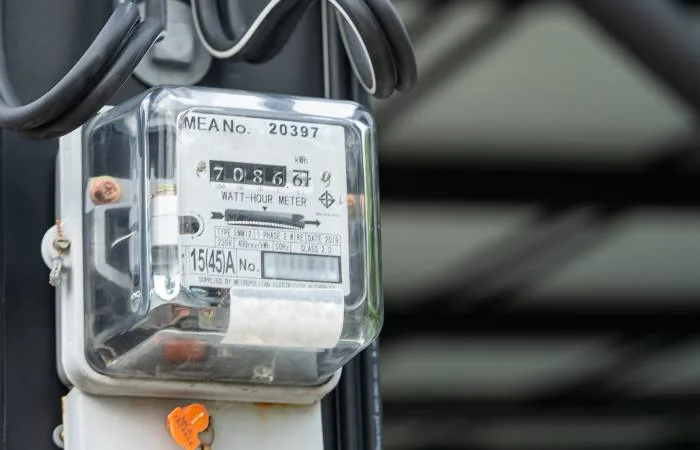
Utility auditing is crucial in enhancing water management strategies within businesses, helping significantly reduce water consumption and costs. By regularly examining and evaluating water usage data, utility auditors provide a systematic and disciplined approach to assessing and improving the efficiency of risk management, control, and governance processes. Here’s how a utility auditing company contributes to water management:
Identifying Cost Savings
Utility auditors analyze water usage patterns to identify areas where unnecessary water consumption is occurring. This could be due to outdated practices, leakages, or inefficient equipment. By highlighting these areas, businesses can address them directly, leading to substantial cost savings.
Compliance and Regulatory Adherence
With increasing regulations on water usage and discharge, businesses must ensure they are in compliance to avoid fines and sanctions. Utility auditors help verify that water treatment and usage comply with local, state, and federal regulations, thus protecting the business from legal repercussions.
Enhancing Sustainability Practices
As businesses increasingly commit to sustainable practices, utility auditors can provide insights into how effectively these practices are being implemented and their impact on water conservation. This aligns with corporate social responsibility objectives and can enhance the company’s public image.
Risk Management
Water scarcity and cost volatility can pose significant risks to operational stability. Utility auditors assess these risks by analyzing current and projected water needs against available resources and costs. This analysis helps businesses develop strategies to mitigate risks associated with water scarcity and price increases.
Educating and Training
Utility auditors can also play a role in training staff about the importance of water conservation and efficient practices. This not only helps in reducing consumption but also fosters a culture of sustainability across the organization.
Conclusion
Adopting strategies to reduce water consumption and costs not only aids environmental efforts but also boosts operational efficiency and reduces expenses. From enhancing water use in cooling systems to improving process water management, businesses can implement a variety of measures to achieve significant water savings.
Moreover, the role of utility auditing is crucial in ensuring these strategies are effective. For businesses aiming to improve their water management, Applied Utility Auditors provides expert auditing services to reduce water consumption and costs effectively. Call us today to discover how we can help your business not only meet but exceed your sustainability and financial goals.


