
In today’s world, where energy conservation is more crucial than ever, businesses are continually seeking effective ways to reduce their energy consumption and, subsequently, save on their electricity bills. The importance of energy efficiency extends beyond mere cost savings, which plays a significant role in environmental sustainability. In this blog post, we’ll explore the top 10 devices that can significantly help you save your electricity bills.
Energy expenses often constitute a considerable portion of a business’s operational costs. Implementing energy-efficient devices is not just an economic decision but also an environmental commitment. By choosing the right tools and technologies, businesses can enjoy lower electricity bills, enhanced corporate responsibility, and improved sustainability.
Additionally, utility auditors can play a vital role in this process. They provide expert advice and analysis to help businesses identify the most effective energy-saving devices and strategies, ensuring that every investment made towards energy efficiency delivers maximum returns. Here are the essential devices that are key to save your electricity bill.
1. Smart Thermostats
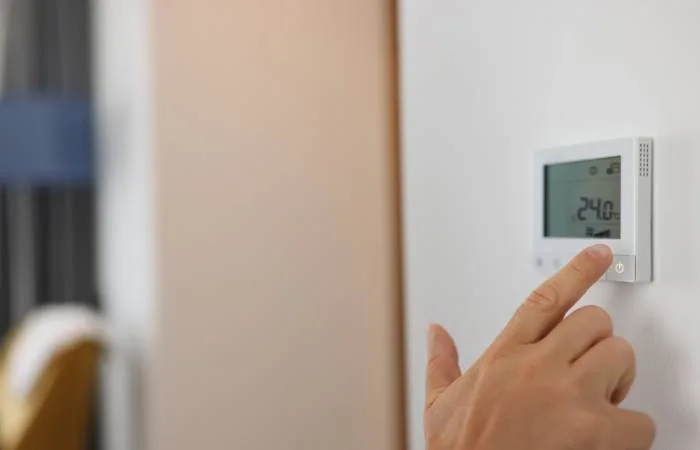
Smart thermostats are a game-changer in energy management, particularly for commercial environments aiming to save on their electricity bills. They’ve evolved from basic programmable thermostats to sophisticated devices equipped with IoT technology for enhanced control and efficiency. Here’s a straightforward breakdown of their key features:
Weather Forecast Integration
Smart thermostats connect to local weather services to retrieve real-time data, allowing them to adjust indoor temperatures proactively based on upcoming weather changes. This ensures that heating and cooling systems are only active when necessary, effectively helping to save your electricity bill.
IoT Connectivity
These devices can integrate with other smart devices within a building, such as IoT-enabled window blinds. For example, they can lower blinds automatically on sunny days to reduce cooling costs, optimize energy use and contribute to savings on your electricity bill.
Advanced Analytics
With built-in advanced sensors, smart thermostats track and analyze energy usage patterns, identifying potential areas for improvement. They provide comprehensive reports on HVAC performance, enabling facility managers to make informed decisions that boost energy efficiency and cut costs.
Unified Management Systems
Smart thermostats can be part of a centralized management system that controls not only the temperature but also other building functions like lighting and security. This integrated approach ensures all systems are fine-tuned for energy conservation, leading to significant reductions in overall energy consumption.
2. LED Lighting Solutions
LED lighting has revolutionized energy efficiency in lighting with several key features that enhance functionality and adaptability in commercial environments. Here are the essential features that help you save your electricity bills:
Automatic Brightness Adjustment
Modern LED systems include sensors that measure the amount of natural light in a room and adjust the brightness of the lights accordingly. This ensures that lighting is only as intense as necessary, minimizing energy use and helping to save your electricity bill.
Activity-Based Settings
LEDs can adapt their brightness and color based on the activity being performed. For instance, intense, brighter lights for meetings and softer, dimmer lights for a relaxed setting. This targeted use of light not only conserves energy but also creates an optimal environment for various tasks.
Color Temperature Adjustment
Smart LEDs can change their color temperature, which offers cooler or warmer light as needed. Cooler, daylight-like light can boost alertness and productivity during peak work hours, while warmer tones can help reduce stress later in the day. Adjusting the color temperature to suit the time of day and type of activity can further help save on your electricity bill.
3. Energy-Efficient Commercial Kitchen Equipment
Energy-efficient commercial kitchen equipment is essential for any food service business aiming to reduce energy costs and improve sustainability. Here’s a straightforward breakdown of the key features that make these appliances ideal for helping to save your electricity bill:
Smart Grid Connectivity
These appliances can connect to smart grids, allowing real-time monitoring and management of energy use. This enables kitchens to adjust appliance use during off-peak hours when energy costs are lower, effectively reducing overall electricity expenses.
Self-Diagnostic Capabilities
Modern kitchen appliances come with built-in diagnostics that monitor their operation for any inefficiencies or malfunctions. This feature alerts managers to potential issues before they become costly problems, ensuring the equipment operates efficiently and continues to save on electricity bills.
Adaptive Energy Usage
These appliances adjust their energy consumption based on the load and type of use. For example, an oven will use less energy when cooking a small meal compared to a large one. This adaptability ensures energy is not wasted, optimizes efficiency, and helps save your electricity bill.
4. Advanced Power Strips
Advanced power strips have evolved to include several cutting-edge features that help commercial facilities more effectively manage their energy consumption, leading to substantial savings on their electricity bills. Here are their key functionalities:
User Recognition Technology
These power strips come equipped with sensors that can detect when an authorized user is near and automatically power up the necessary devices. This guarantees that equipment is only active when needed, reducing idle energy consumption and helping to save your electricity bill.
Scheduling and Remote Control
Advanced power strips can be programmed to power devices on and off according to a set schedule, and they can be adjusted remotely. This allows facilities managers to guarantee that all devices are turned off outside of working hours, preventing energy waste and contributing to electricity bill savings.
Smart Energy Allocation
By intelligently distributing power based on actual usage patterns and needs, advanced power strips ensure that no energy is wasted on unneeded devices. This smart allocation of resources not only diminishes energy consumption but also assists in extending the lifespan of the equipment by avoiding overuse.
5. High-Efficiency Air Conditioners
High-efficiency air conditioners are equipped with advanced technologies designed to optimize energy use and enhance cooling efficiency, making them essential for businesses looking to save on their electricity bills. Here’s an overview of their key features:
AI-Driven Self-Optimizing Systems
These air conditioners use artificial intelligence to learn from past cooling usage patterns and predict future needs. By automatically adjusting their operations based on these predictions, they ensure that cooling is provided precisely when and where it’s needed, which optimizes energy usage and helps save your electricity bill.
Peak Efficiency Operation
The AI systems enable the air conditioners to operate at peak efficiency only during times of actual demand. This reduces energy wastage caused by running at full capacity when it’s not necessary, further helping to reduce electricity costs.
Eco-Friendly Refrigerants
Modern high-efficiency air conditioners often use refrigerants that have a lower environmental effect compared to traditional ones. These eco-friendly refrigerants not only help in diminishing the carbon footprint of your business but also improve the efficiency of the cooling system, potentially resulting in further reductions in your electricity expenses.
6. Occupancy Sensors
Occupancy sensors are increasingly sophisticated devices that contribute significantly to energy efficiency in commercial buildings. Here’s an overview of how these sensors work and their key features that help businesses save on their electricity bill:
Integrated System Control
Occupancy sensors now do more than just control lighting; they can be integrated with security and fire safety systems for a comprehensive approach to building management. This integration ensures that all systems are coordinated and only active when necessary, optimizing energy use and helping to save your electricity bill.
Nuanced Room-by-Room Control
These sensors adjust their responses based on the specific use and occupancy of each room. For example, a conference room might require different lighting and climate control settings than an office space or a hallway. By tailoring the environment to the actual usage and occupancy, these sensors significantly reduce wasteful energy consumption.
Automated Energy Saving
With occupancy sensors, lights, heating, cooling, and security systems can automatically turn off or switch to energy-saving modes when rooms are unoccupied. This automation is crucial for reducing energy use without relying on human intervention, thus consistently helping to save your electricity bill.
7. Variable Frequency Drives (VFDs)

VFDs are crucial for optimizing energy usage in equipment that requires variable motor speed, such as pumps and fans. Their ability to adjust motor speeds in real-time based on actual demand makes them particularly effective for energy conservation. Here’s a breakdown of how VFDs contribute to saving on your electricity bill:
Adaptive Speed Control
VFDs control the speed of motors based on the current needs of the system rather than running at full speed continuously. This adaptive speed control is essential for reducing energy consumption by ensuring motors use only as much power as necessary for the task.
Expanded Application in Water Management
The use of VFDs has extended beyond traditional HVAC systems to include water and wastewater management systems. In these applications, VFDs adjust the operation of pumps according to real-time water demand, preventing overuse of energy in one of the most power-intensive areas of facility operations.
Energy Efficiency in Power-Intensive Sectors
By optimizing how pumps and other motor-driven systems operate, VFDs significantly cut down the energy consumption in sectors where power usage is typically high. This targeted reduction in energy use not only helps to save your electricity bill but also enhances the overall efficiency of these critical operations.
8. Solar Panels
Solar panels have become a fundamental component for businesses aiming to reduce their energy costs and environmental impact. Here are the key features of modern solar panel installations that help you save your electricity bill:
Higher Efficiency Photovoltaic Cells
Today’s solar panels are equipped with more efficient photovoltaic cells, which have higher energy conversion rates. This means they can convert more sunlight into electricity, maximizing the power generated from the same amount of solar exposure.
Integration with Battery Storage Systems
Modern solar installations often include integrated battery storage systems. These systems store excess electricity produced during peak sunlight hours. This stored energy can then be used during times of low sunlight or during peak demand periods when electricity from the grid is more expensive.
Reduced Grid Dependence
By generating and storing their own electricity, businesses can reduce their reliance on the grid. This not only provides financial benefits by reducing electricity bills but also offers enhanced energy security and independence.
9. Energy Management Systems (EMS)
EMS are critical tools for businesses looking to improve their energy efficiency and lessen operational costs. Here are the essential features of EMS that help businesses save significantly on their electricity bills:
Predictive Energy Management
EMS uses advanced algorithms to predict future energy needs based on historical data. This allows the system to adjust power usage before demand peaks, ensuring efficient energy use and helping to save your electricity bill.
Real-Time Pricing Integration
These systems can connect with current energy pricing data from utilities. This feature enables businesses to use energy during cheaper off-peak hours, cutting costs and maximizing budget efficiency.
Centralized Facility Management
EMS provides a single platform for controlling multiple energy systems, such as lighting, heating, and cooling. This centralization simplifies management and ensures all systems operate with optimal energy efficiency.
Automated Adjustments
The systems automatically modify the settings of connected devices and systems based on real-time data, reducing the need for manual intervention and maintaining consistent energy savings.
10. Electric Vehicle Charging Stations
EV charging stations are becoming a smart addition to businesses, enhancing energy management and contributing to environmental sustainability. Below, we discuss their essential features:
Smart Grid Integration
EV charging stations can connect with smart grids, allowing them to use power primarily when renewable energy production is high. This reduces reliance on non-renewable energy and helps decrease electricity costs.
Optimal Charging Times
These stations are programmed to charge vehicles during times when energy costs are lower, typically when renewable energy availability is high or overall energy demand is low. This timing helps you save your electricity bills.
Back-to-Grid Services
Advanced EV charging stations can feed excess power back to the electrical grid. This feature not only supports grid stability but also allows businesses to earn credits or income, offsetting their own energy costs.
The Role of Utility Auditors in Energy Management
While integrating the aforementioned technologies can provide substantial benefits in terms of energy savings, navigating the complexities of energy management and ensuring maximum savings can be challenging. This is where utility auditors like Applied Utility Auditors come into play. Utility auditors are essential for businesses that are serious about cutting their energy costs and want to ensure they are not only investing wisely but also achieving the maximum possible savings on their electricity bills.
Conclusion
Investing in the right technology to enhance energy efficiency is crucial for any business looking to reduce its operational costs and environmental impact. By incorporating devices such as smart thermostats, LED lighting, and energy management systems, you can effectively reduce your energy consumption and help save your electricity bills.
Ready to take the next step to reduce your business’s energy consumption and save your electricity bill? Reach out to Applied Utility Auditors today to discover how our tailored auditing services can help you identify more opportunities for savings and sustainability. Contact us now!


